
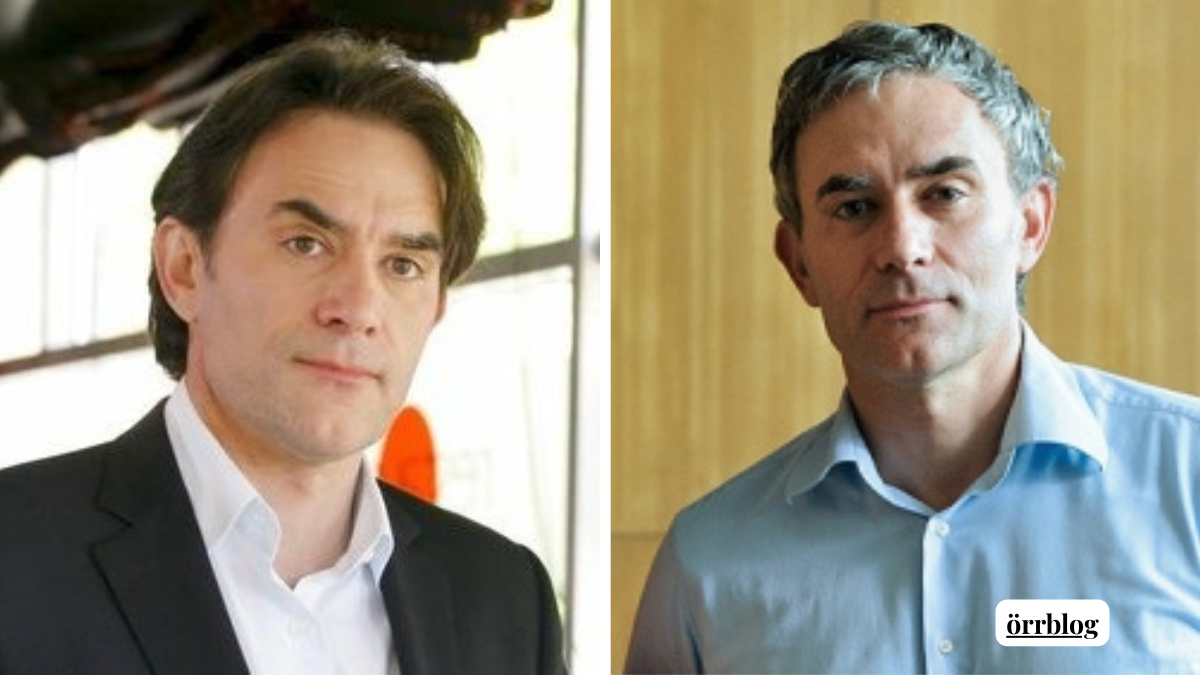
Giulio Ricciarelli: The Visionary Filmmaker Redefining Historical Cinema
Few contemporary European filmmakers have managed to fuse historical reckoning with cinematic artistry as powerfully as giulio ricciarelli. Known for his emotionally charged storytelling and meticulous attention to moral complexity, Ricciarelli has built a reputation as a director, actor, and writer committed to confronting difficult truths. His work resonates far beyond film festivals, shaping public memory and provoking dialogue about justice, accountability, and collective responsibility.
This comprehensive authority guide explores his life, career, artistic philosophy, and lasting impact on global cinema. Whether you’re a film scholar, history enthusiast, or casual viewer, this deep dive reveals why his voice remains vital in modern filmmaking.
Early Life and Cultural Foundations
Born in Italy and raised between cultures, Giulio Ricciarelli grew up navigating linguistic and cultural dualities that would later shape his storytelling lens. His formative years exposed him to European political history, post-war memory, and the evolving identity of modern Germany.
After relocating to Germany, he immersed himself in the arts, studying acting and performance. This early focus on embodiment and character psychology laid the groundwork for his later directorial sensitivity to human nuance.
Education and Artistic Training
Ricciarelli’s professional training emphasized theater discipline, voice control, and narrative interpretation. These classical foundations sharpened his understanding of pacing, emotional restraint, and dramatic tension.
Unlike many directors who arrive via film school alone, his acting background provided firsthand experience of the performer’s craft. This dual fluency would later define his collaborative directing style.
Transition from Actor to Filmmaker
Before stepping behind the camera, Ricciarelli built a steady acting career across television and cinema. Working within diverse productions gave him insight into directing methodologies and production dynamics.
Over time, he gravitated toward storytelling that extended beyond performance. Writing and directing offered him fuller authorship over tone, theme, and historical framing. giulio ricciarelli
Breakthrough with Labyrinth of Lies
His international breakthrough arrived with Labyrinth of Lies, a courtroom drama examining Germany’s confrontation with Nazi crimes during the 1950s. The film explores the moral awakening that led to the Frankfurt Auschwitz trials giulio ricciarelli.
It was widely praised for transforming legal history into gripping human drama. Critics highlighted its restraint, avoiding sensationalism while sustaining emotional weight.
Narrative Themes and Historical Responsibility
A defining feature of Ricciarelli’s work is moral inquiry. His narratives rarely present heroes and villains in simplistic terms, instead probing systemic complicity giulio ricciarelli.
He often focuses on individuals caught between duty, denial, and awakening. This approach humanizes historical processes without absolving wrongdoing.
Visual Style and Directorial Signature
Ricciarelli favors grounded realism over stylization. Muted palettes, period-accurate production design, and restrained camera movement create immersive authenticity.
His visual language reinforces psychological tension. Silence, glances, and bureaucratic spaces often speak louder than dialogue.
Collaboration and Creative Partnerships
Throughout his career, Ricciarelli has cultivated long-term creative partnerships with writers, producers, and actors who share his historical focus.
These collaborations foster tonal consistency. They also enable rigorous research processes that underpin his films’ credibility.
Reception Among Critics and Scholars
Film critics frequently position Ricciarelli within Europe’s tradition of political cinema. His work is studied in academic contexts exploring memory culture and transitional justice.
Scholars commend his ability to translate archival history into accessible narrative without diluting complexity.
Awards and Industry Recognition
While not driven by accolades, Ricciarelli’s films have received major European nominations and wins. Recognition has come particularly from German film institutions.
Such honors reflect both artistic merit and the cultural importance of his subject matter giulio ricciarelli.
Comparative Position in Historical Cinema
Below is a structured comparison positioning his work within the broader historical film landscape:
| Dimension | Giulio Ricciarelli Approach | Conventional Historical Drama |
| Narrative Focus | Moral awakening & legal process | Heroic individuals |
| Visual Tone | Restrained realism | Stylized dramatization |
| Dialogue | Procedural, investigative | Emotional, declarative |
| Historical Framing | Institutional accountability | Personal triumph |
| Audience Impact | Reflective, unsettling | Cathartic, inspirational |
This distinction explains why his films often provoke discussion rather than simple emotional release.
Relationship to German Historical Memory
Though Italian-born, Ricciarelli’s career is deeply intertwined with Germany’s post-war reckoning. His films contribute to Vergangenheitsbewältigung—the process of confronting historical guilt giulio ricciarelli.
By dramatizing legal and societal awakening, he illuminates how nations process trauma across generations.
Influence of Italian Heritage
His Italian roots bring an outsider-insider perspective. This distance allows him to interrogate German history with both empathy and critical clarity.
Cultural hybridity enriches his storytelling, blending Mediterranean humanism with German intellectual rigor giulio ricciarelli.
Expansion Beyond a Single Landmark Film
While many associate him primarily with his breakthrough work, Ricciarelli has remained active across directing, acting, and writing.
His filmography reflects a sustained interest in justice narratives and institutional ethics giulio ricciarelli.
Work on The People vs. Fritz Bauer
Another significant historical project connected to his thematic orbit is The People vs. Fritz Bauer, which examines the prosecutor instrumental in bringing Nazi criminals to trial.
Though directed by Lars Kraume, the film shares thematic DNA with Ricciarelli’s work, illustrating a broader cinematic movement addressing post-war justice giulio ricciarelli.
Storytelling Philosophy
Ricciarelli believes cinema should illuminate rather than comfort. His films ask viewers to sit with discomfort and unresolved moral questions.
He resists reductive closure, reflecting history’s ongoing reverberations.
Research Methodology
Historical rigor anchors his productions. Archival documents, trial transcripts, and survivor testimonies inform narrative construction.
This research depth ensures authenticity while guiding dramatic adaptation.
Language and Dialogue Craft
His scripts favor procedural realism—legal jargon, investigative exchanges, and institutional conversations giulio ricciarelli.
This linguistic authenticity grounds the emotional stakes in credible environments.
Audience Engagement and Emotional Strategy
Rather than manipulating viewers, Ricciarelli invites active interpretation. Audiences must grapple with complicity, silence, and delayed justice.
This intellectual engagement deepens post-viewing reflection.
Cultural Impact in Germany
His films have screened widely in German educational contexts. They serve as pedagogical tools for discussing Holocaust accountability and civic responsibility.
Such integration underscores cinema’s role in national self-examination.
International Reception
Globally, his work resonates with audiences exploring transitional justice—from South America to Eastern Europe.
Universal themes of reckoning transcend geographic specificity.
Production Challenges
Financing historically sensitive films presents hurdles. Studios often perceive them as commercially risky.
Ricciarelli navigates this through co-productions and public funding partnerships.
Festival Circulation and Prestige Platforms
His films have circulated through major European festivals, enhancing visibility and critical discourse.
Festival platforms amplify historically focused cinema that might struggle in mainstream distribution.
Acting Career Continuity
Even while directing, Ricciarelli has continued acting. This ongoing performance work sustains his connection to character psychology giulio ricciarelli.
It also reinforces empathy in his directing process.
Creative Process and Set Environment
Colleagues describe his sets as disciplined yet collaborative. Historical accuracy coexists with interpretive openness.
Actors are encouraged to internalize rather than perform history.
Cinematic Influences
His influences include European political filmmakers and post-war dramatists who foreground institutional critique.
These inspirations inform his restrained yet morally charged tone.
Ethical Responsibility in Historical Film
Ricciarelli approaches history with ethical caution. Representation must honor victims without exploiting trauma.
This balance defines his artistic credibility.
Quote on Historical Storytelling
One perspective often associated with his filmmaking ethos:
“Cinema cannot change the past, but it can change how we face it.”
This sentiment encapsulates his commitment to moral confrontation through narrative.
Filming Locations and Production Geography
Many productions unfold in historically resonant German cities such as Munich, where architecture preserves post-war atmosphere.
Location authenticity reinforces narrative immersion.
European Identity and Cross-Border Storytelling
Operating between Italy and Germany, Ricciarelli embodies transnational European cinema.
This dual identity broadens thematic scope and funding networks.
Educational and Academic Legacy
Universities frequently include his films in curricula addressing Holocaust studies, legal ethics, and media memory.
Scholarly engagement ensures long-term intellectual impact.
Media Interviews and Public Discourse
In interviews, he emphasizes civic vigilance. Historical amnesia, he argues, creates conditions for repetition.
His public commentary extends his films’ moral mission.
Misconceptions About His Work
Some assume his films are purely legal dramas. In reality, they function as societal character studies.
The courtroom is merely a stage for moral awakening.
Evolution of Historical Cinema
Ricciarelli belongs to a wave of filmmakers shifting focus from battlefield heroics to bureaucratic accountability.
This evolution reflects changing audience expectations.
Industry Influence
His success has encouraged producers to fund similarly rigorous historical narratives.
Impact extends beyond his own filmography.
Streaming Era Accessibility
Digital platforms have introduced his work to younger global audiences.
Streaming expands the educational reach of historically grounded cinema.
Future Creative Directions
Observers anticipate continued exploration of justice systems, political memory, and institutional ethics.
His thematic consistency suggests long-term specialization.
Enduring Legacy
The lasting contribution of giulio ricciarelli lies in reframing history as lived moral process rather than distant record.
His films challenge viewers to examine silence, complicity, and responsibility within their own societies.
Conclusion
The career of giulio ricciarelli demonstrates how cinema can function as both art and civic inquiry. Through historically rigorous storytelling, restrained visual language, and morally complex narratives, he has carved a singular space in European film.
His work reminds audiences that justice is not merely legal—it is cultural, generational, and deeply human. As historical memory continues to shape contemporary politics, filmmakers like Ricciarelli remain essential interpreters of the past.
FAQ
Who is giulio ricciarelli?
Giulio ricciarelli is an Italian-German filmmaker, actor, and writer best known for directing historically focused films exploring post-war justice and moral accountability.
What is giulio ricciarelli most famous for?
He is most recognized for directing Labyrinth of Lies, a courtroom drama examining Germany’s investigation of Nazi crimes.
Is giulio ricciarelli also an actor?
Yes, giulio ricciarelli built an acting career before transitioning into directing and continues to perform in select productions.
What themes define giulio ricciarelli’s films?
His work centers on historical memory, institutional responsibility, delayed justice, and the psychological impact of collective guilt.
Why is giulio ricciarelli important in European cinema?
Giulio ricciarelli plays a key role in shaping modern historical cinema by focusing on legal reckoning and societal awakening rather than traditional war narratives.










Leave a Reply